---
TATTOO MEANINGS / WORDS & LETTERING
A significant date, order, permanence
Origin: Global, Classical
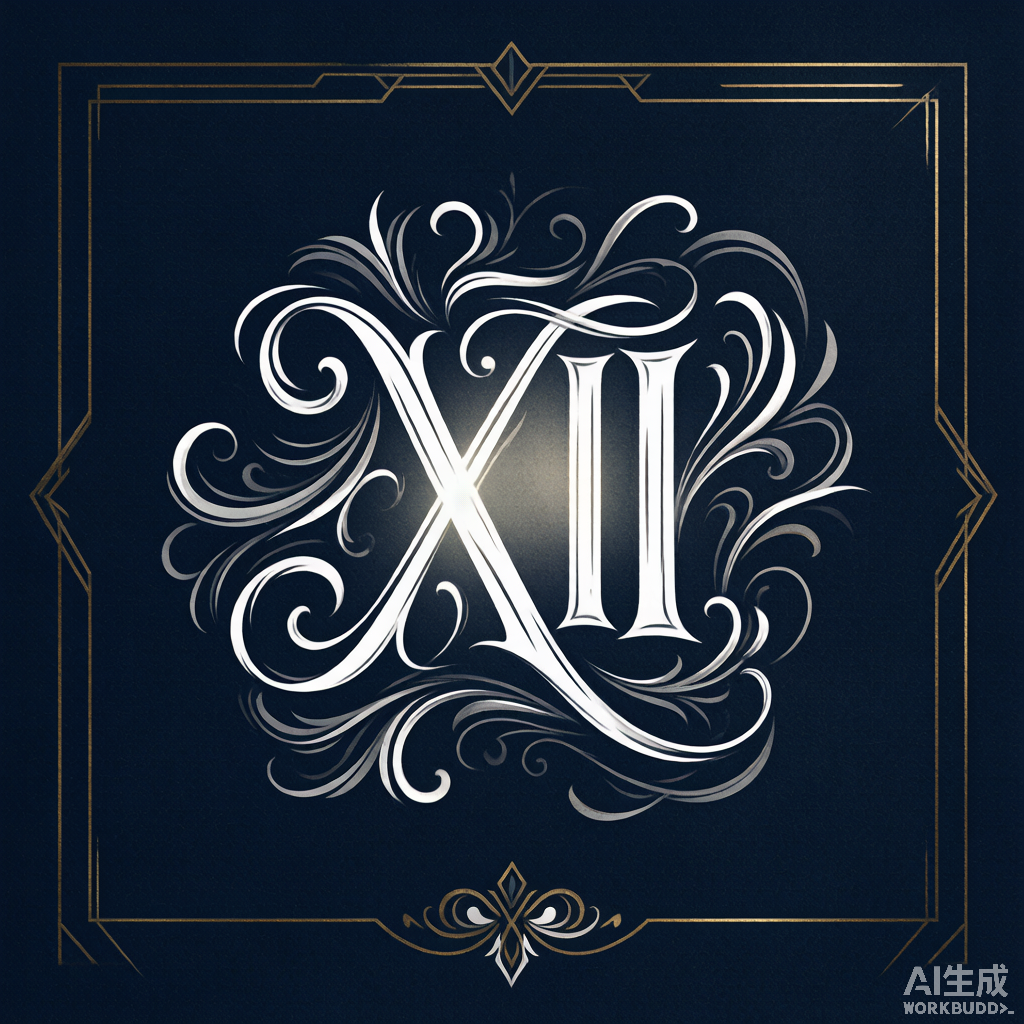
Roman numeral tattoos mark dates and numbers with timeless elegance — a birthday, anniversary, or the date of a life event. They read as refined and permanent, avoiding the dated look of Arabic digits. A numeral can also signify rank, order, or a chapter number.
Roman numerals lend a classical, engraved quality (like monuments and clocks). They are a discreet way to tattoo a date — legible but not obvious. Common uses: wedding dates, children’s birth years, or a "III" marking a third chapter.
Roman numerals grew out of Etruscan tally marks and were standardized by the Romans for counting, dating, and monumental inscriptions. You still see them on clock faces, building cornerstones, and Super Bowl numbering. That classical, engraved look is exactly why they read as timeless on skin — a date set in Roman numerals looks like it was always meant to be there.
Beyond the literal number, each glyph carries a small symbolic weight: I is unity or a first; V is change or the halfway point; X is completion or a full chapter; L, C, D, and M scale the same idea upward. Most wearers aren’t spelling out philosophy, though — they’re marking a year, an age, a countdown, or a rank, letting the numerals carry the meaning privately.
Because the script is narrow and linear, Roman numerals suit long, clean placements: the inner forearm, the ribcage, the collarbone, or along the spine. Smaller dates work behind the ear, on the wrist, or on a finger. A single significant number (like a "III" for a third child) also reads well as a minimalist piece on the ankle or nape.
The two common directions are an engraved, serif "monument" style (think Trajan capitals on a building) or a thin, minimalist line. Match the style to the story: a wedding date often suits the formal, carved look; a personal milestone may read better as a quiet, fine-line numeral. Spacing matters more than size — cramped numerals lose legibility.
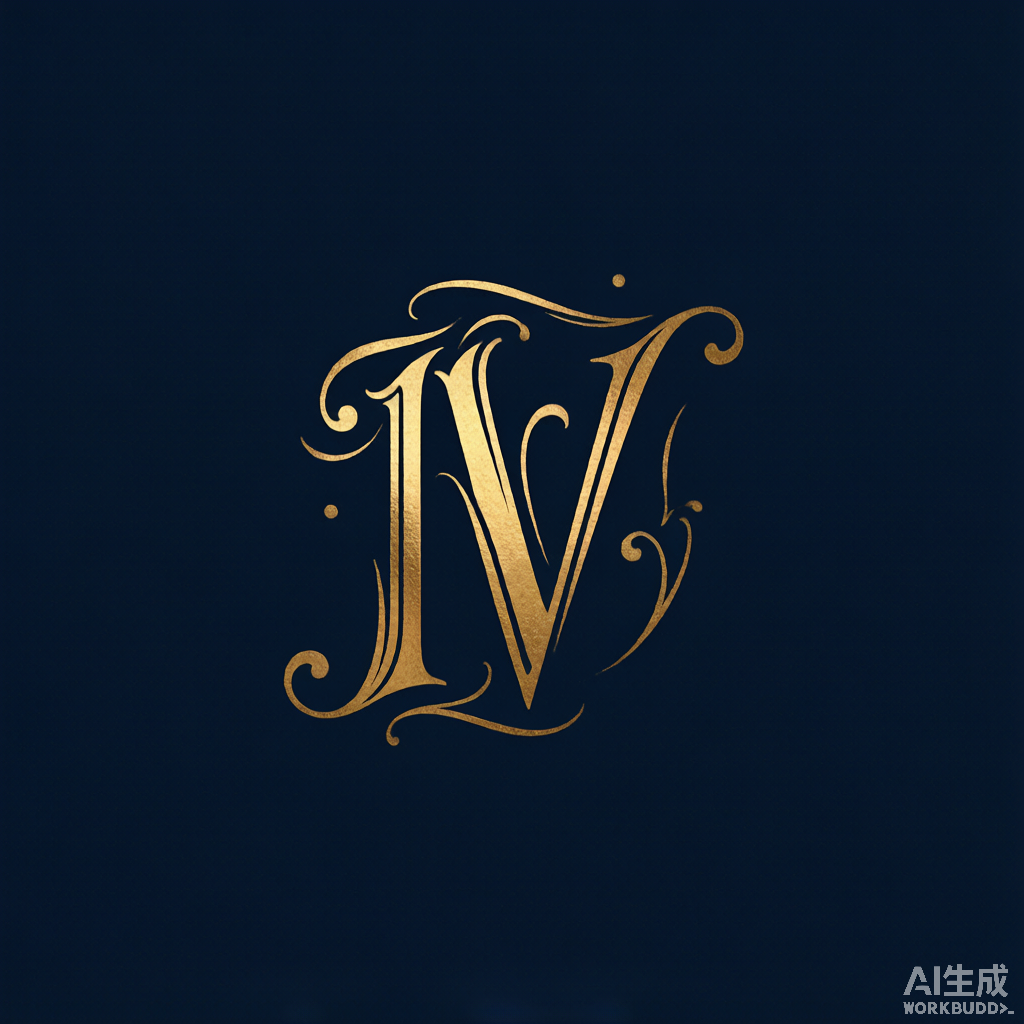
Roman numerals use a subtractive rule: 4 is "IV" (one before five), not "IIII" — though clocks famously use IIII, so don’t be surprised to see it. 9 is "IX", 40 is "XL", 90 is "XC". The most common tattoo regret is a transposed or mis-converted date, so write it out, double-check the conversion, and confirm it with your artist before the stencil goes on.
Roman numerals and their history are documented in standard references; we used these for the cultural and historical notes above.
Britannica — Roman Numerals → ·Britannica — Numerals and Numeral Systems →
DESIGN GALLERY
Browse design ideas and find artists who specialize in this style.
Line-art design
Line-art design
1,000+
monthly searches
87%
want to book after reading
0
artists showcasing here
Are you a tattoo artist?
1000+ people search for roman numeral tattoos every month. Your work could be the first they see. Upload your portfolio — it is free and takes 2 minutes.
First 10 artists to upload get 3 months Pro free.
wedding date
birth year
anniversary
chapter number
minimalist numeral
Source: Britannica — Roman Numerals
Explore Roman Numeral tattoo variations and related designs.
Anchor
Stability, hope, steadfastness, maritime tradition, grounding
Compass
Guidance, direction, travel, purpose, exploration
Infinity
Eternity, limitlessness, unity, endless cycle
Star
Aspiration, guidance, excellence, hope, destiny
Heart
Love, life, emotion, courage, compassion, romance
Moon
Femininity, intuition, change, mystery, the subconscious
Find, price, and book the design you're exploring.
Roman Numeral tattoos symbolize a significant date, order, permanence. Roman numeral tattoos mark dates and numbers with timeless elegance — a birthday, anniversary, or the date of a life event. They read as refined and permanent, avoiding the dated look of Arabic digits. A numeral can also signify rank, order, or a chapter number.
Roman Numeral tattoo imagery traces back to Global, Classical. Roman numeral tattoos mark dates and numbers with timeless elegance — a birthday, anniversary, or the date of a life event. They read as refined and permanent, avoiding the dated look of Arabic digits. A numeral can also signify rank, order, or a chapter number.
Roman numerals lend a classical, engraved quality (like monuments and clocks). They are a discreet way to tattoo a date — legible but not obvious. Common uses: wedding dates, children’s birth years, or a "III" marking a third chapter.
Most choose them to mark a significant date — a wedding, a child’s birth year, a loss, or a personal milestone — in a form that reads as refined and permanent rather than the dated look of Arabic digits. The numerals are legible but discreet, so the meaning stays personal.
The core meaning is a significant date, order, or permanence. A numeral can mark when something happened, what place someone holds (a "first" or a "third"), or a chapter that closed. The exact meaning is the number itself plus the story only the wearer knows.
Clock faces almost always use IIII for four, while most Roman numeral tattoos use the standard IV. Both are "correct" in their context — clocks keep IIII for visual symmetry, tattoos follow the textbook subtractive rule. If you want authentic clock style, IIII is an option.
Long, linear placements suit the script best: inner forearm, ribcage, collarbone, or spine for a date; behind the ear, wrist, or finger for a single small numeral. Pick a spot your artist can space cleanly — cramped numerals lose legibility over time.
Write the full date, convert it carefully (4 = IV, 9 = IX, 40 = XL, 90 = XC), then double-check the result and confirm it with your artist before the stencil. Most Roman numeral tattoo regrets come from a transposed or mis-converted number, not the design itself.
Get matched with the right meaning and style for your next tattoo.
Start Your Studio Free →Tattoo meanings are shaped by culture, history, and personal story — they are not universal or fixed. Sacred designs (e.g. Polynesian tatau, Indigenous, or religious iconography) carry deep meaning for the communities who created them; we share this for education and ask that you research and respect their origins before wearing them. This guide is not a substitute for cultural consultation.
See also our Color & Style Meaning Guide for how color and technique change a design's meaning.
EEAT: Written by Sarah Chen (Founder & CEO at InkFlow | 12 Years Tattoo Studio Operations). Verified against Smithsonian Institution. Cultural and historical information is sourced from academic references and is provided for educational purposes. Meanings vary across traditions and interpretations.